
A tune for your car, not your platform
Two cars with the same badge can want very different files. Yours gets one written around its hardware, its fuel and its climate, then refined from its own logs until it's right.
Why the factory file leaves so much alone
A factory file covers an enormous spread. A single file has to work for a car in Phoenix in August and the same model in a Michigan winter, on whatever fuel the owner puts in, with a service history nobody can check, and it can never miss an emissions or warranty target in its market.
So it stays conservative everywhere at once: torque capped in the lower gears, boost tapering where it doesn't need to, timing backed off for fuel you probably aren't running, shift logic favouring smoothness over intent.
None of that is a flaw. It is the correct answer to the problem they have. A factory variant is a bucket, and a broad one. Tuning narrows it from a bucket to your car, which is only worth doing if someone actually knows what your car is running.
The method
- 01
We ask before we write
Hardware, fuel, climate, transmission, what you've already changed and what you want the car to do. If a target doesn't suit what's bolted to the engine, you hear that before you pay, not after.
- 02
We calibrate, we don't overlay
Changes are made in the tables that own the behaviour: torque structure, boost control, timing and fuelling. Not a global boost bump sitting on top of a factory file and hoping the rest keeps up.
- 03
Your logs decide, not our opinion
You drive it and send logs. We read knock, fuel trims, boost error and intake temperatures. The data sets the next revision. Nobody is guessing from a spreadsheet.
- 04
We revise until it's right
Revisions for anything tune-related are included. A calibration that needs another pass isn't a problem, it's the normal shape of the work.
- 05
We show our reasoning
Our knowledge base explains the same things we'd tell you in a message: fuel trims, spark plug gap, supporting mods, what a downpipe does to oil consumption. You can check our thinking before you trust us with your ECU.
What we won't do
Most of the trust in this line of work comes from what someone is willing to turn down.
- Sell you a target your fuel, cooling or hardware can't hold. If you need supporting mods first, we'll tell you which ones and why.
- Chase a peak number for a screenshot. A curve you can use everywhere is worth more than a spike you see once on a cold day.
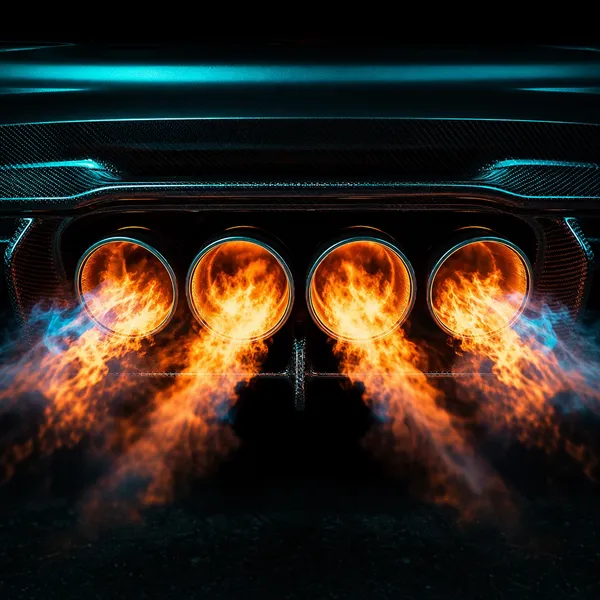
- Pretend a modification is free. Antilag puts heat and load through the turbo and exhaust, and bigger targets shorten service intervals. You should decide that knowingly.
- Flash a car we don't have enough information about. If something doesn't add up, we stop and ask.
What comes with a tune
- A file built for your ECU
Written against your exact calibration ID, not a generic map for the platform.
- Revisions included
We keep refining from your logs until the car does what it should.
- Direct support
Questions go to the people who wrote your file, not a ticket queue.
- Straight answers on fitment
Ask before you buy. We'd rather talk you out of the wrong thing than sell it to you.
What you'll need
- A way to flash: an EK1 for remote flashing from your driveway, or come to us in person. The EK1 is not included with a tune.
- On the Hyundai N and the 2.0T Stinger / G70, flashing is done over a SIM2K-250/260 bench cable as well as the EK1.
- Your ECU calibration ID, EK1 serial and the last six digits of your VIN, because the file is built for that exact ECU.
- A car in good mechanical health. Tuning sharpens what's there; it doesn't fix what isn't.
Tunes

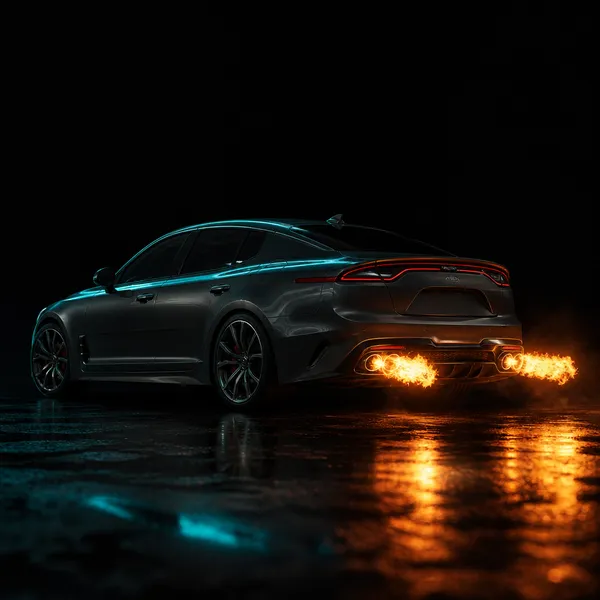
Kia Stinger 3.3T ECU Tune
 Sale
SaleRolling Antilag & Launch Control

Genesis G70 2.0T ECU Tune

Genesis G70 3.3T ECU Tune
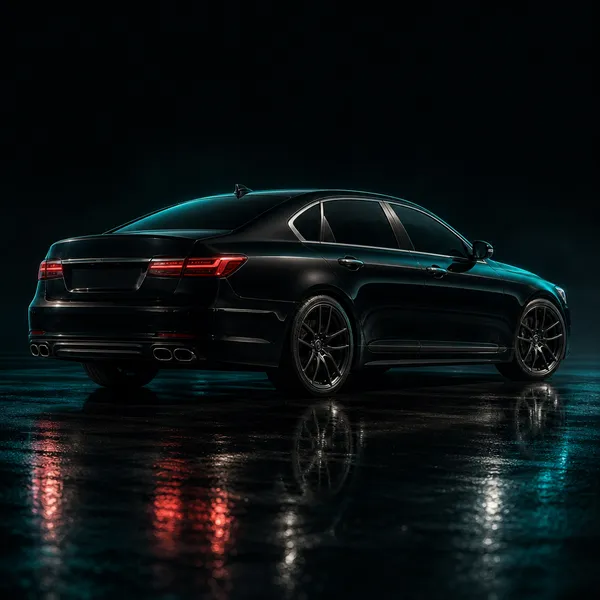
Genesis G80 3.3T ECU Tune
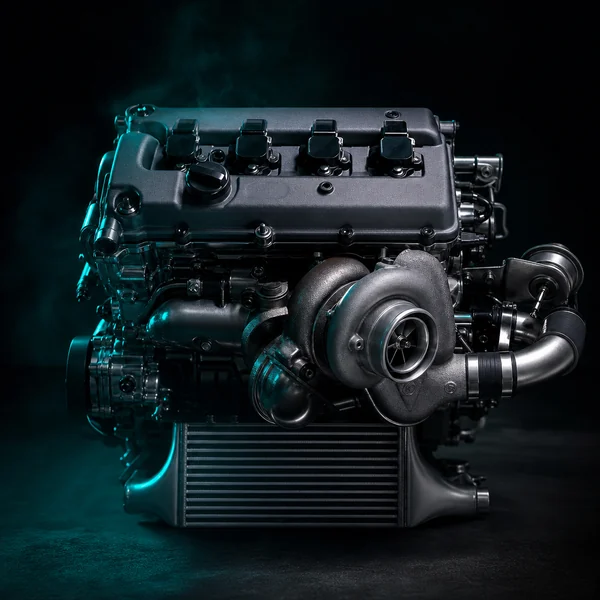
Hyundai N ECU Tune

Kia Stinger 2.0T ECU Tune

Kia/Genesis 3.3T TCU Tune
Map6: Custom JB4 Map
Other platforms we can look at
Most of the Hyundai and Kia 2.0T range runs the same Theta II engine and a closely related ECU, so a calibration is usually possible even where we don't list a stock product. Ask and we'll tell you honestly whether it's worth doing on yours.
- Kia Optima 2.0T2016 to 2020, the one we're asked about most
- Hyundai Sonata 2.0T
- Hyundai Tucson 2.0T
- Hyundai Santa Fe 2.0T
- Kia Sportage
- Kia Sorento
If your car isn't on either list, it's still worth asking. The answer is sometimes yes.
Not sure which tune is right?
Tell us the car, what's on it and what you want from it. We'll tell you what's worth doing, and what isn't, if that's the honest answer.